Now, let’s make it functional.
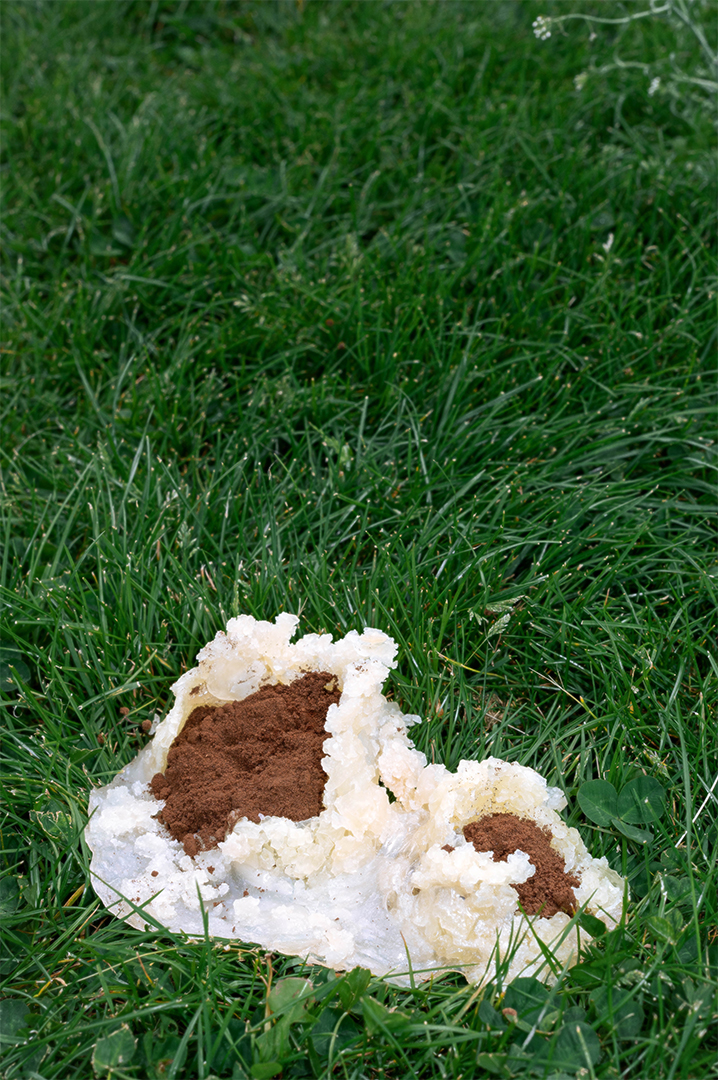
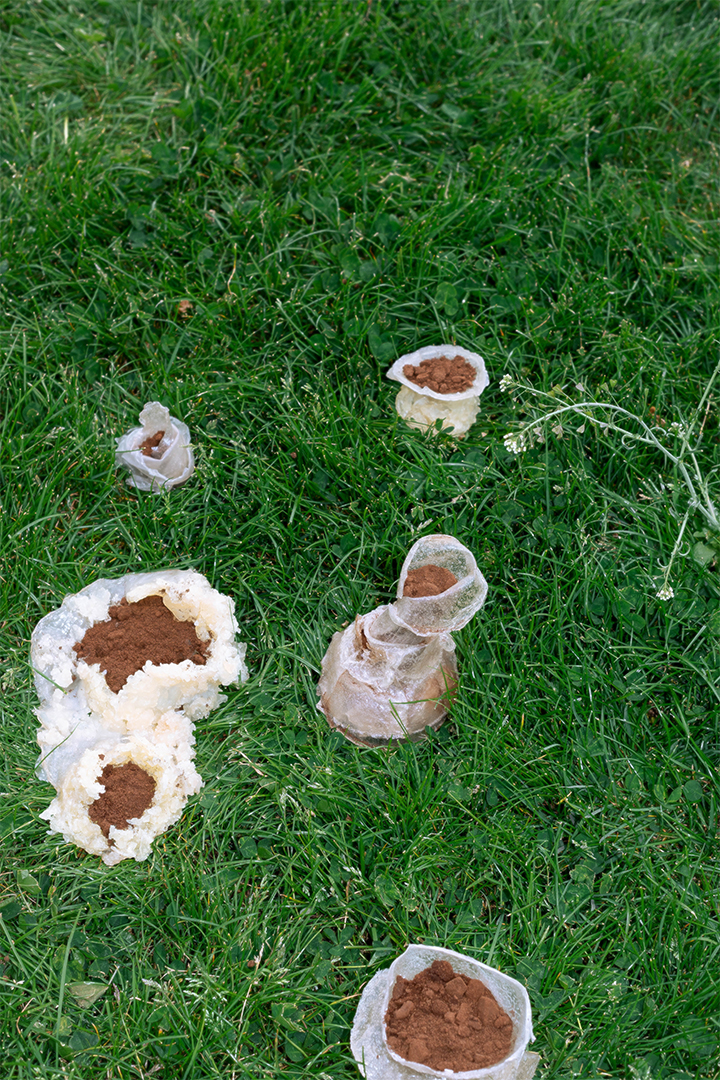
With light, the material casts soft shadows. Its texture stands out on its own.With soil, it biodegrades even faster.
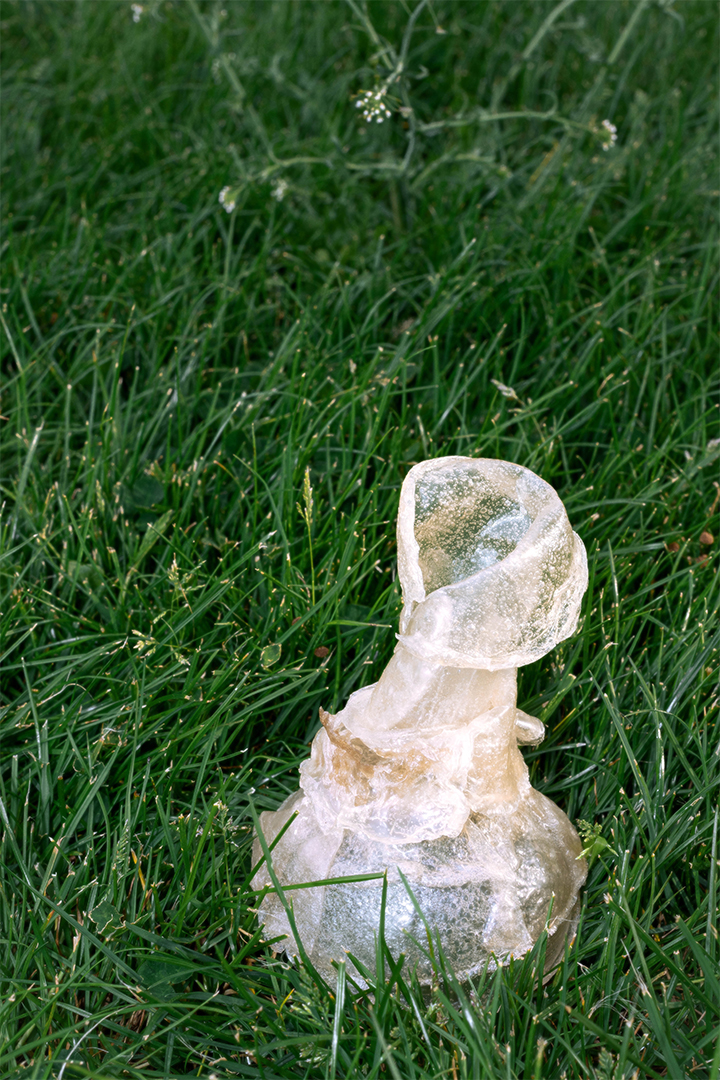
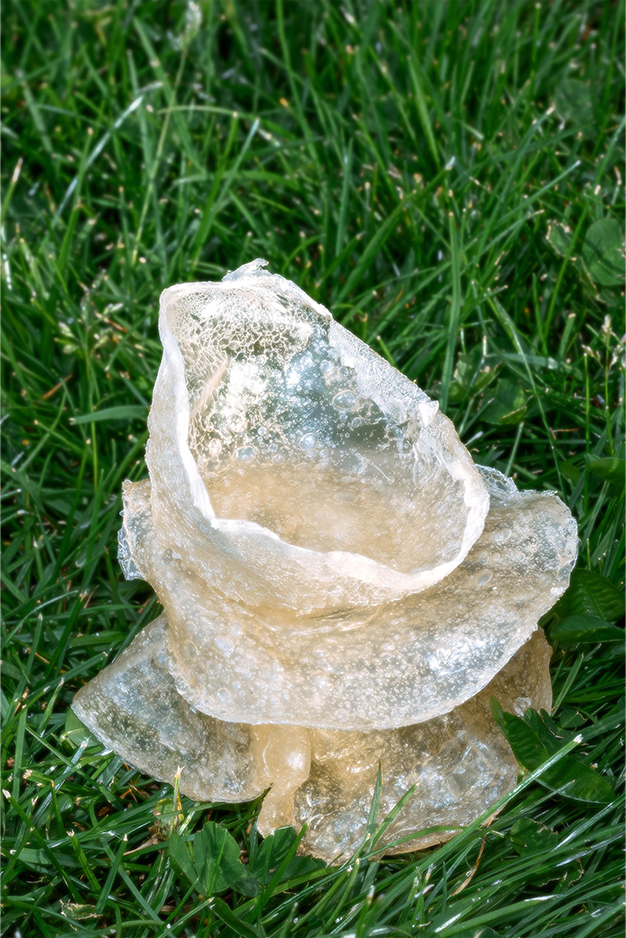
plant pot
can be the perfect fit.Now it’s your turn to design your own plant pot.
Use any object you have as a mould, and feel free to adjust the recipe to explore new textures, forms, and properties. Over time, it will naturally break down - cracking, splitting, slowly fading. Then, enjoy its trace of time and let these marks of change tell their story. And when that time comes, you can repair it by adding more paste.
Let it grow, adapt, and return to the earth - just as it began.
Tips.
To shape it..- Use a tray, mould, or any oven-safe kitchen tools.
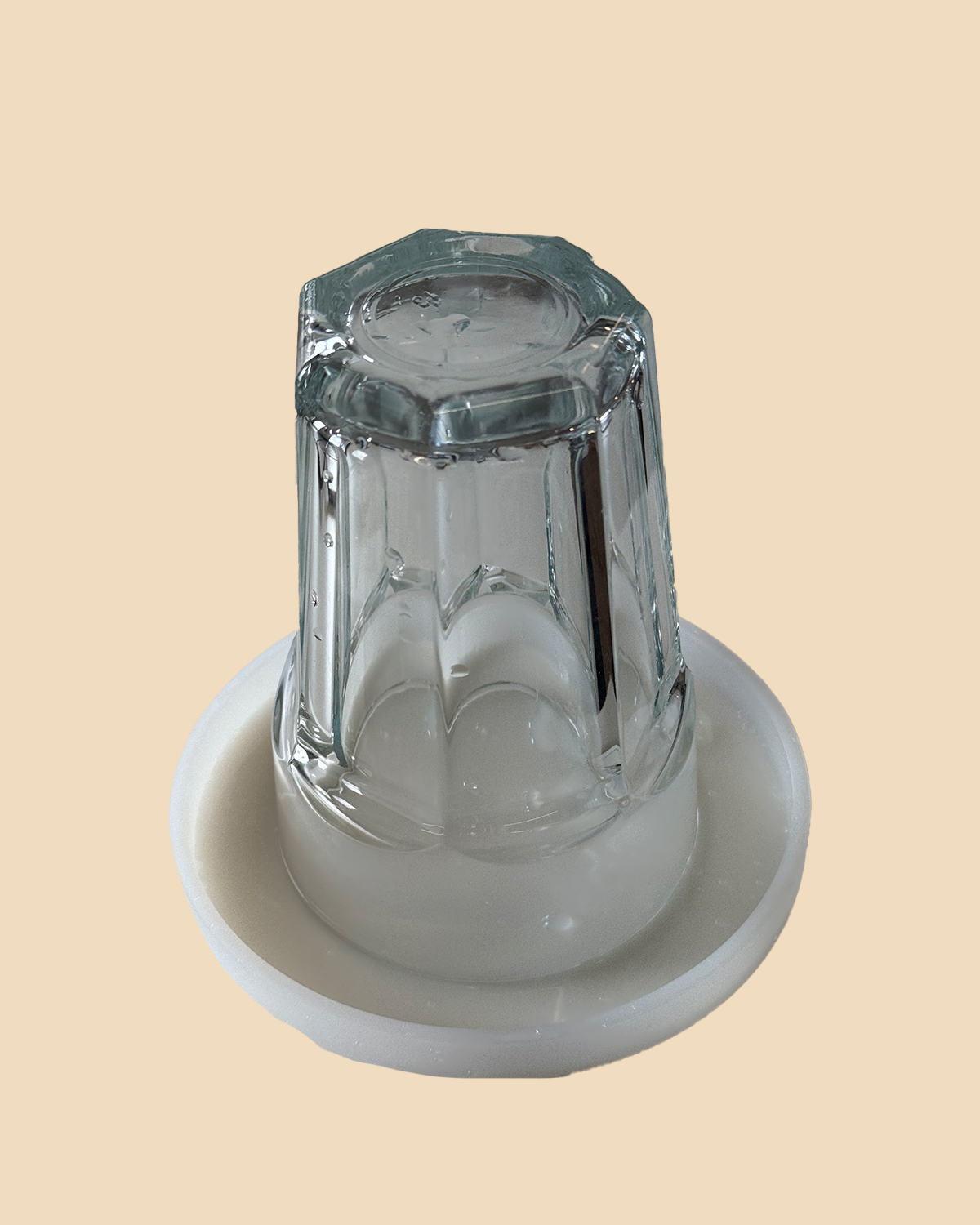
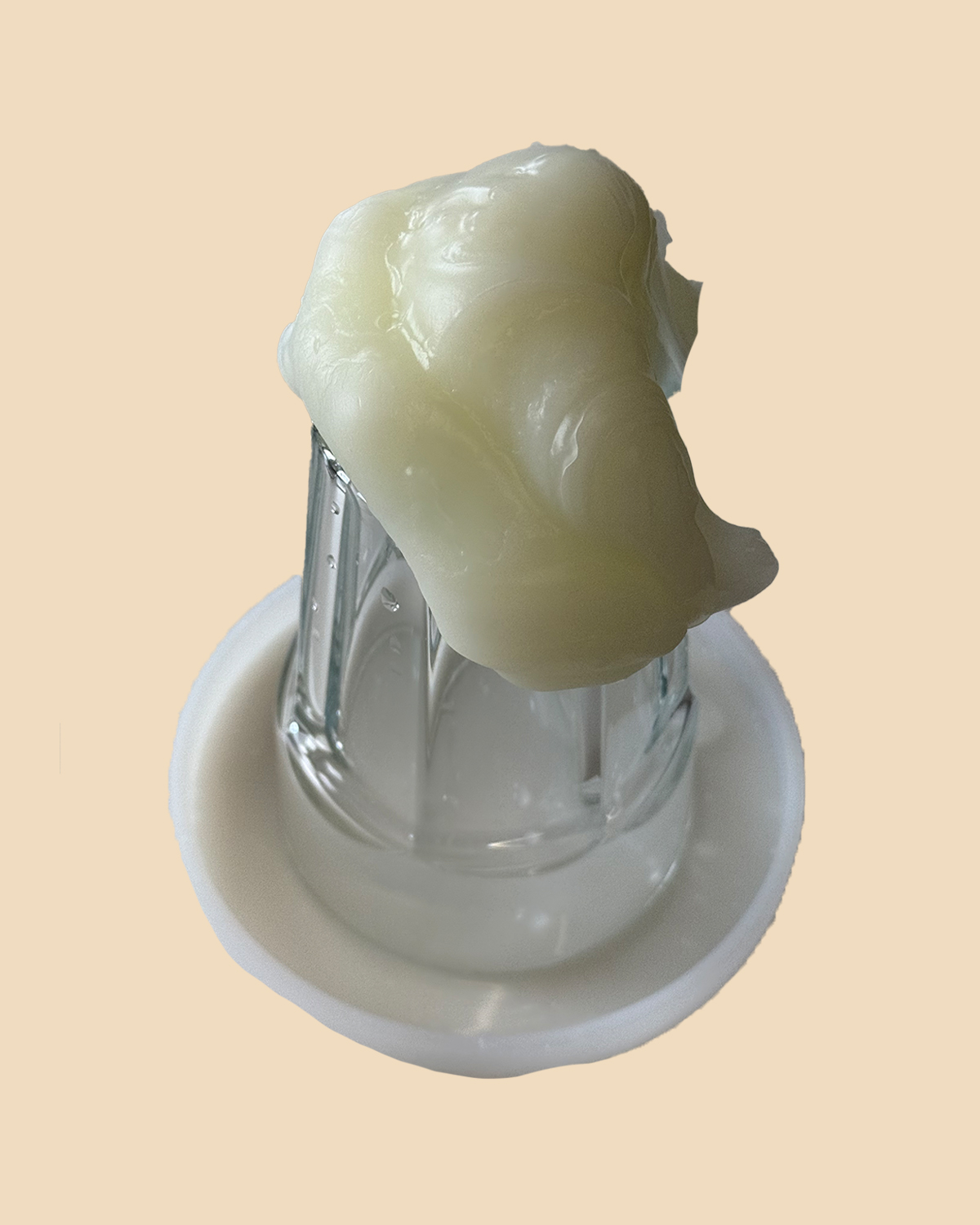
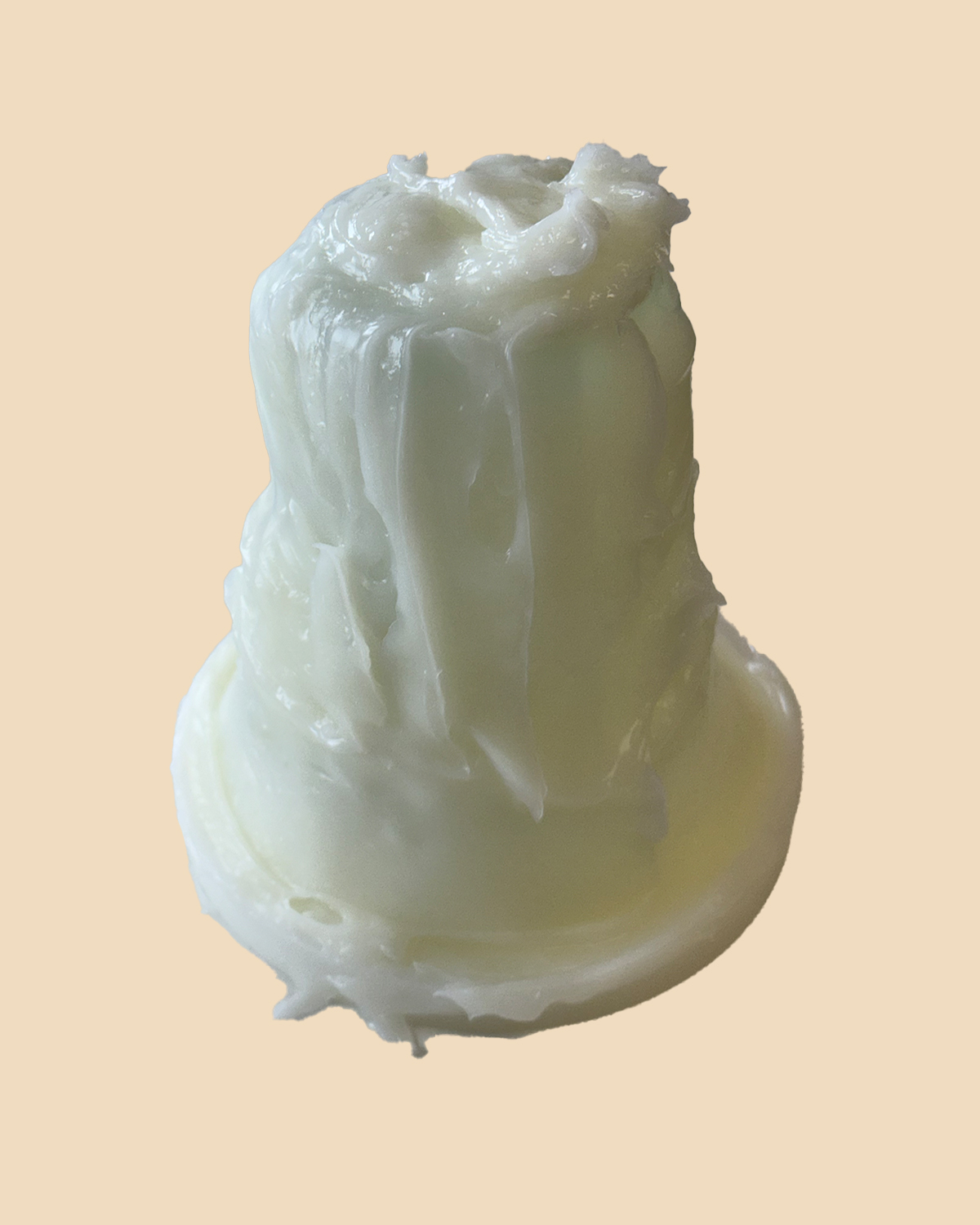
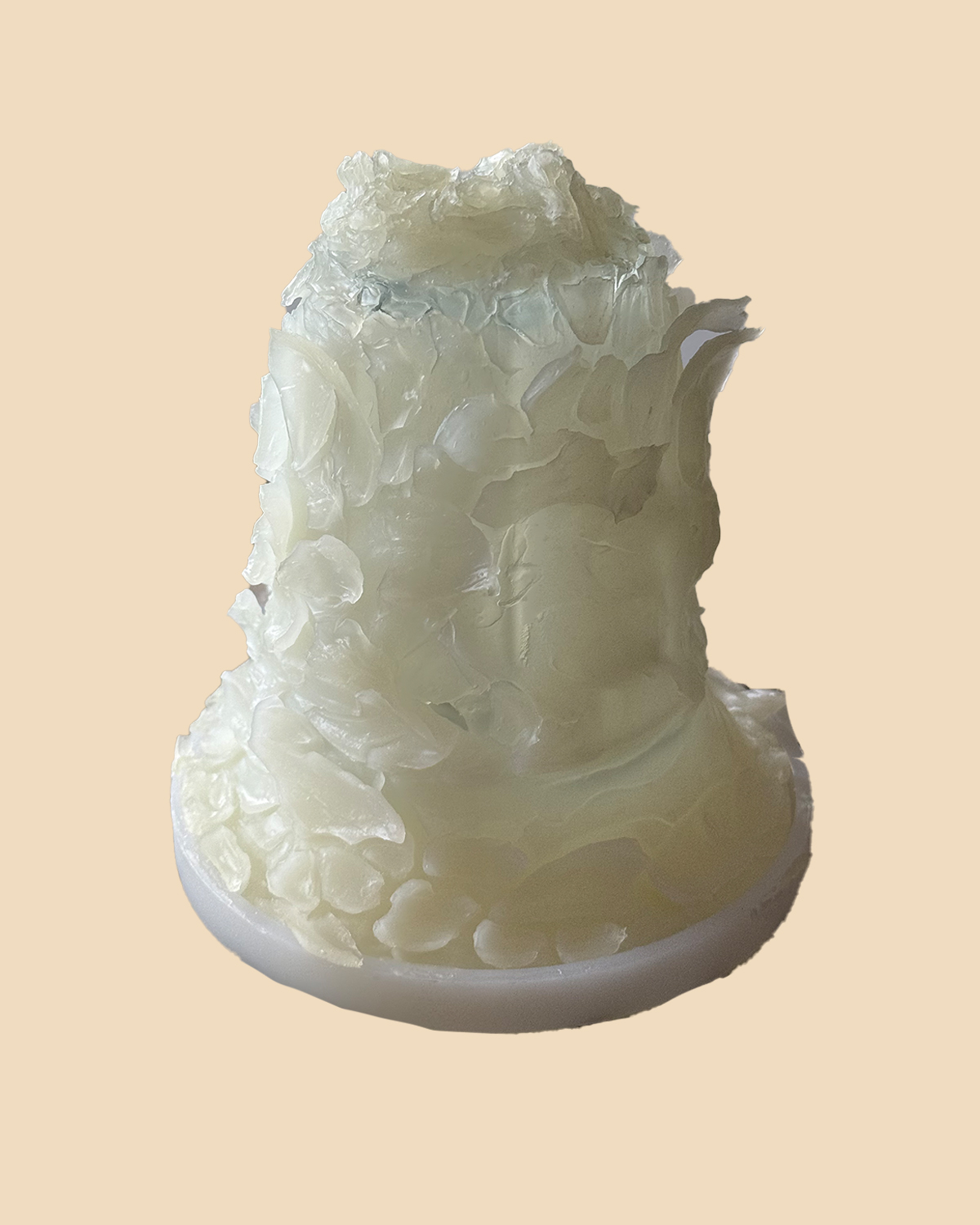
- Corn starch mix thickens while drying. You can mould it with your hands.
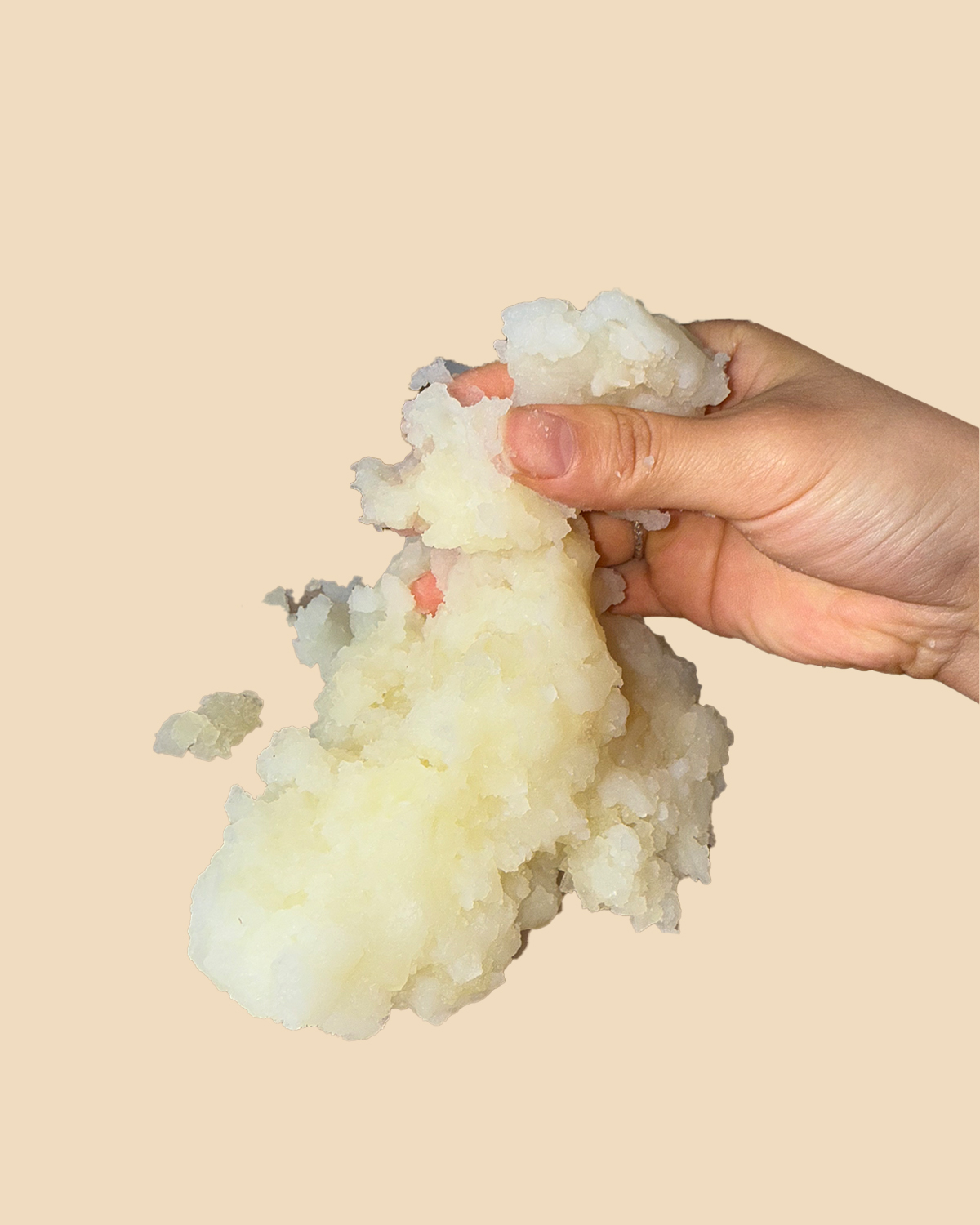
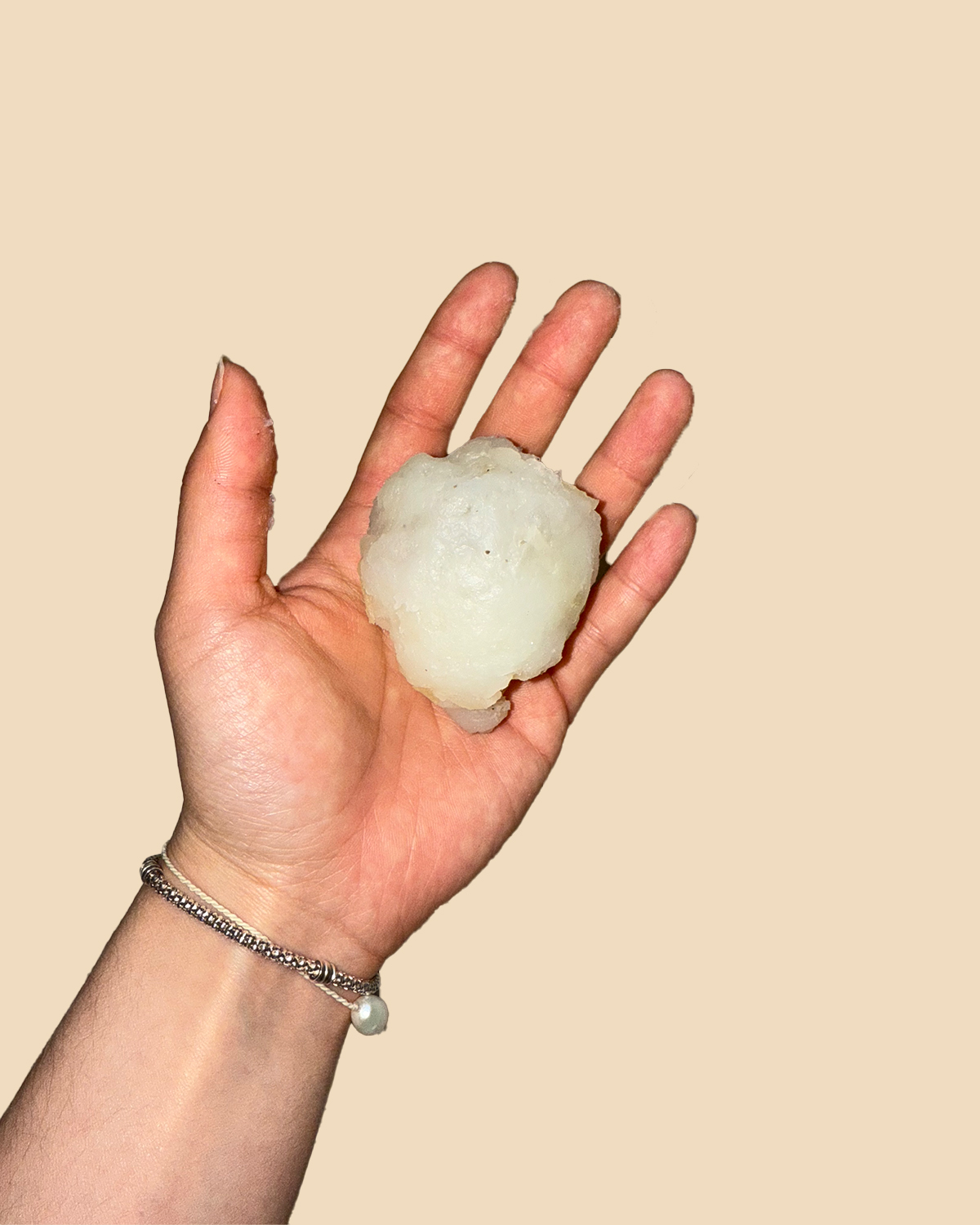
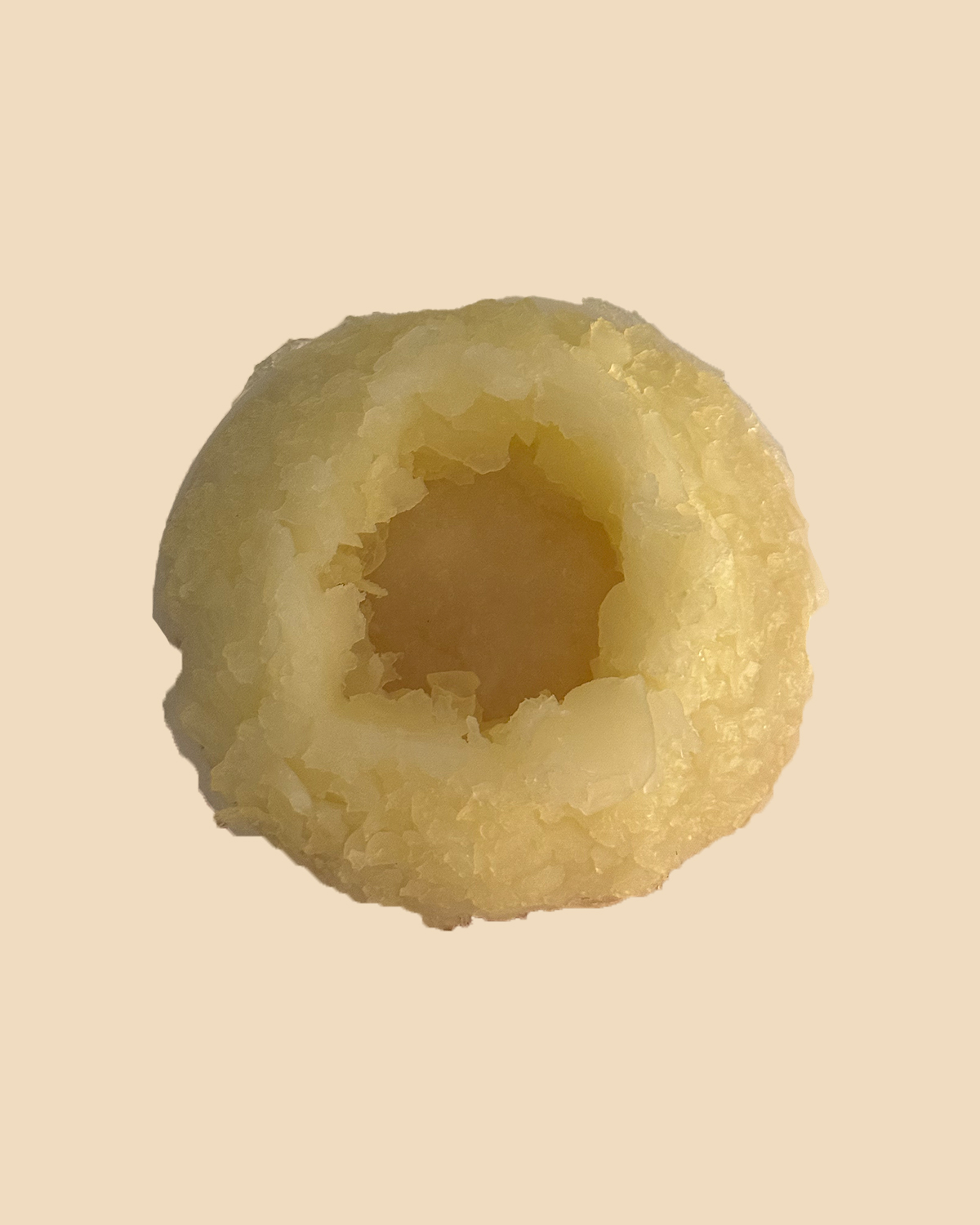
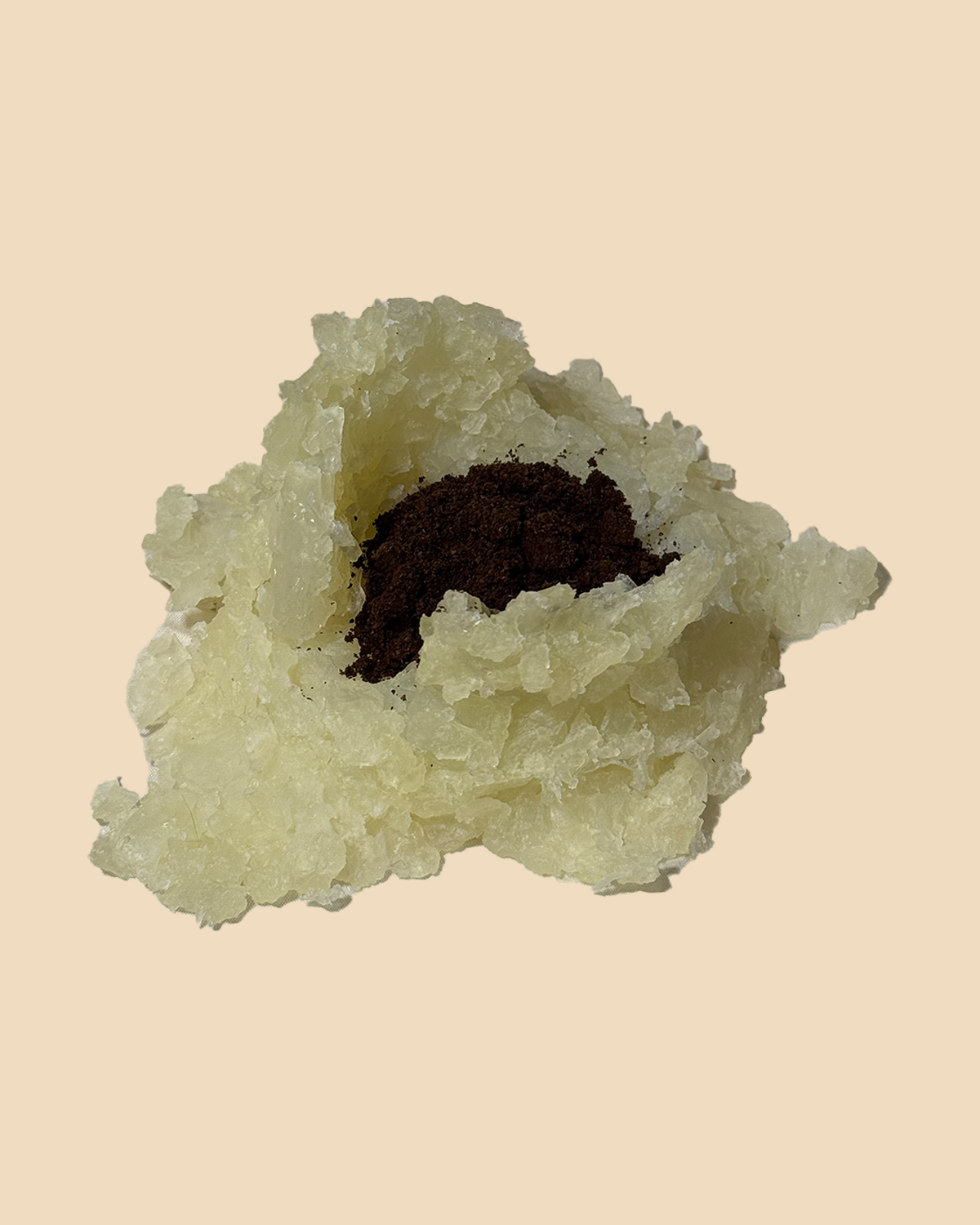
- Once dried, the tapioca version can be softened again by soaking it in water. Then, drape it over your mould and let it dry.
If it cracks, splits..
01 Don’t panic!
02 Enjoy its natural materiality
03 Reinforce - let your pot grow with time
- Add more paste where needed.
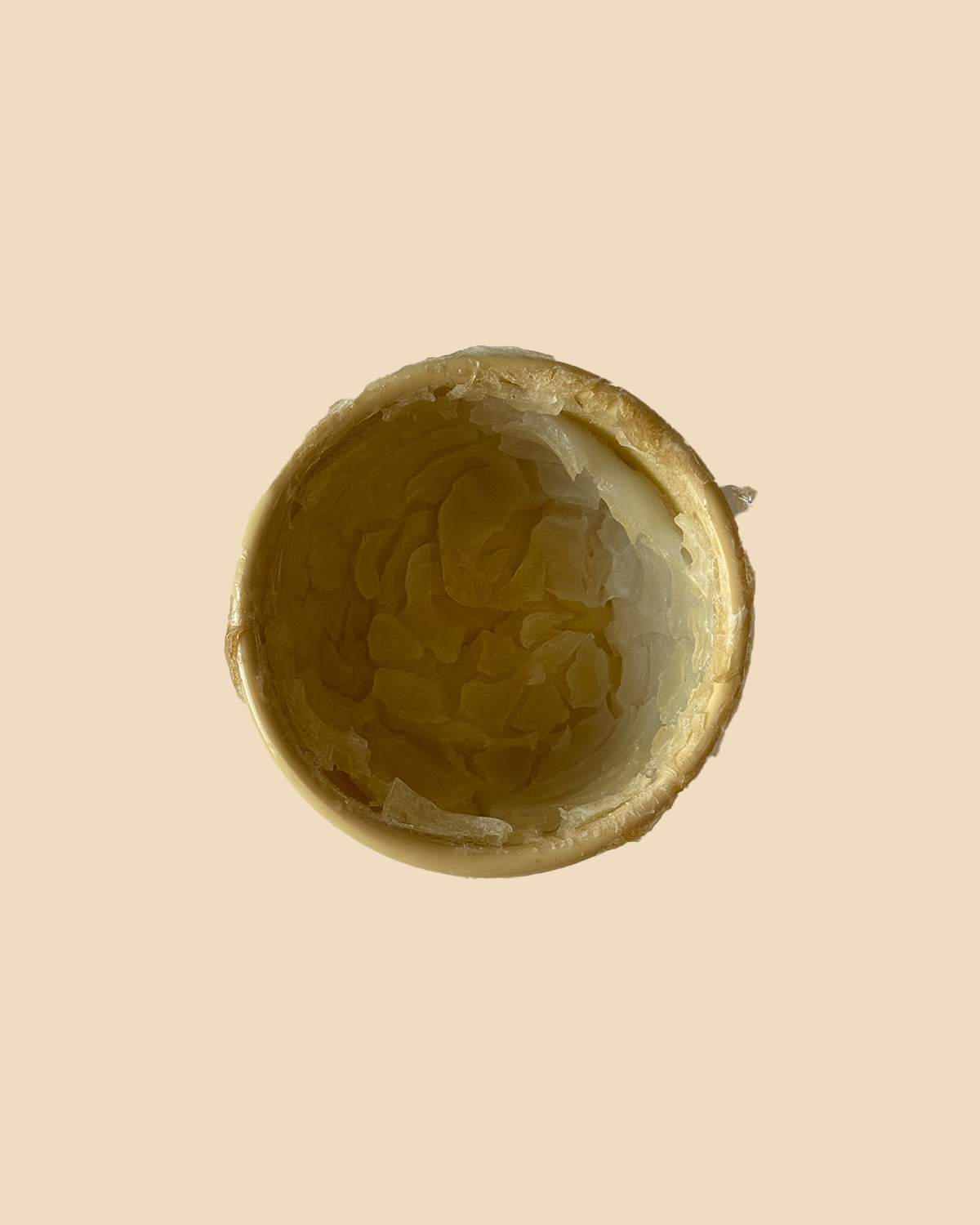
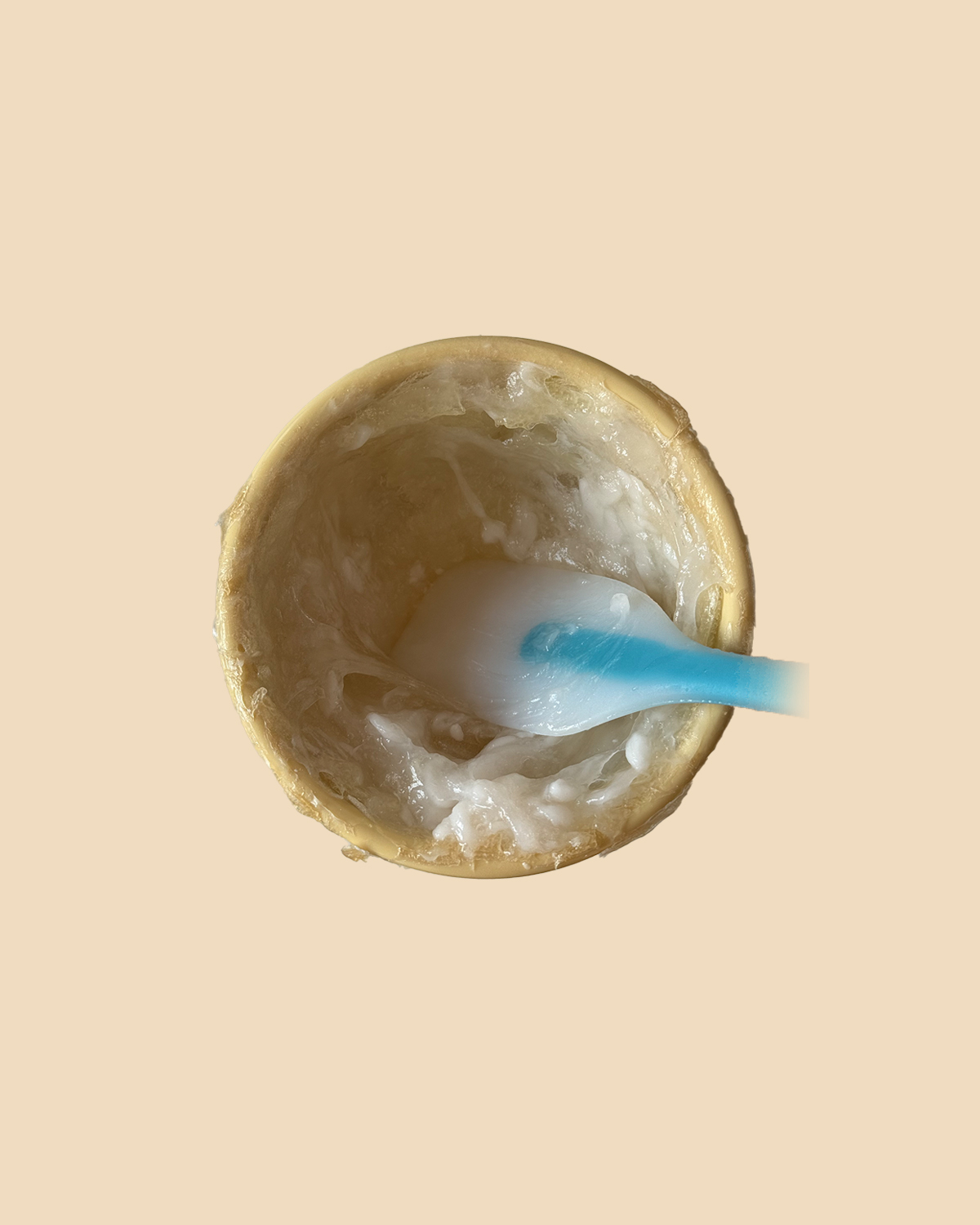
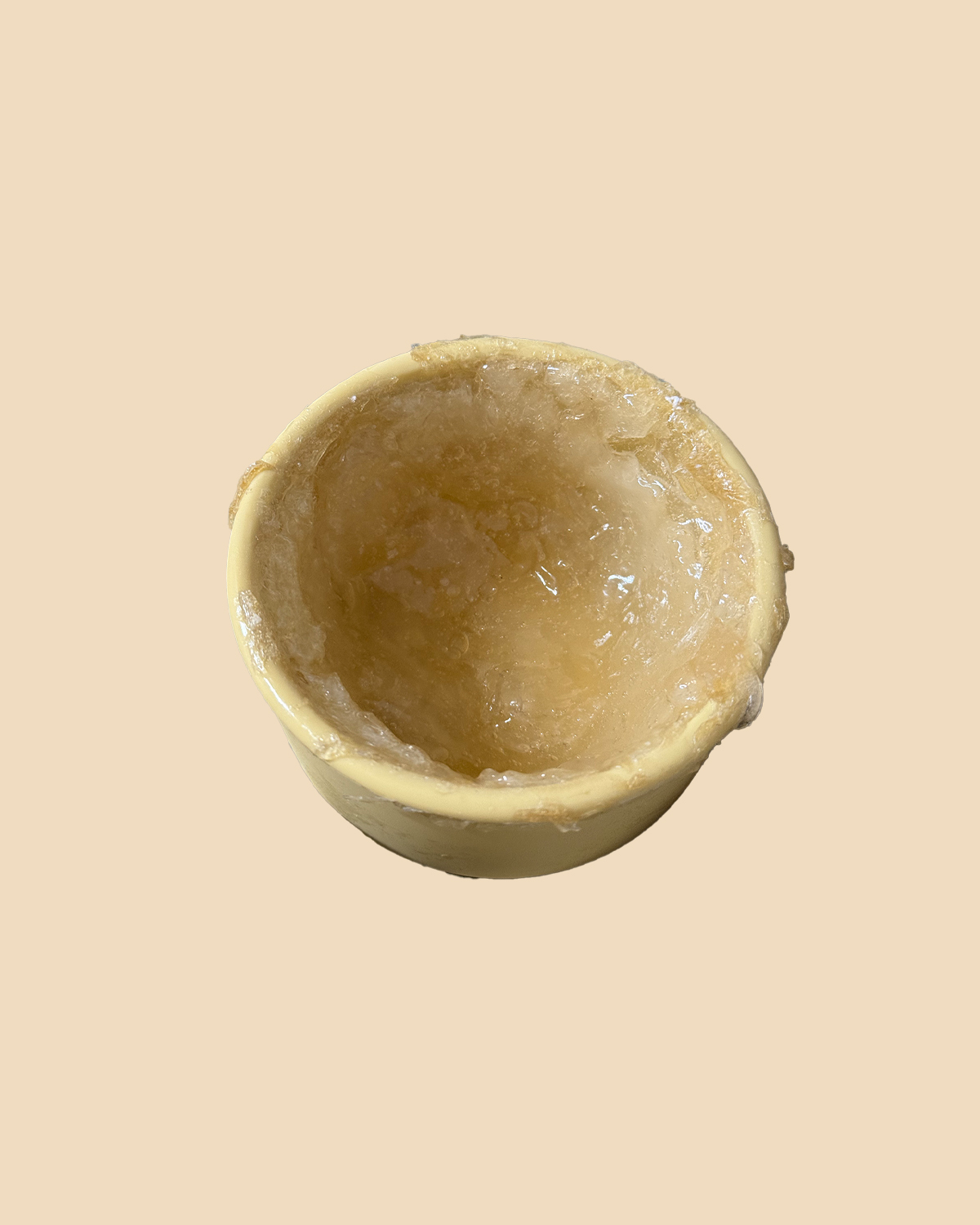
- Soak dry tapioca scraps in water. Once it gets soft, fill gaps and let dry again.
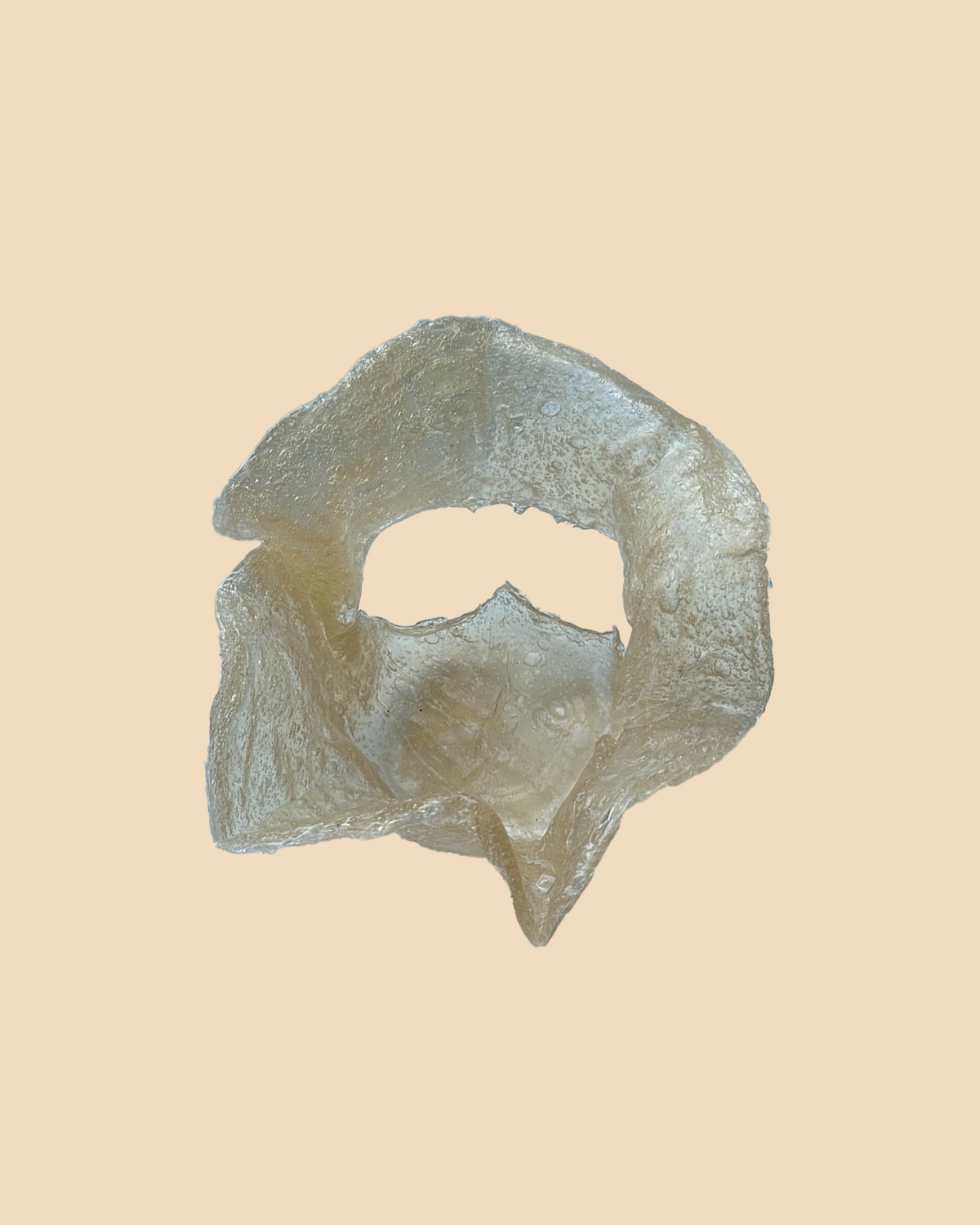
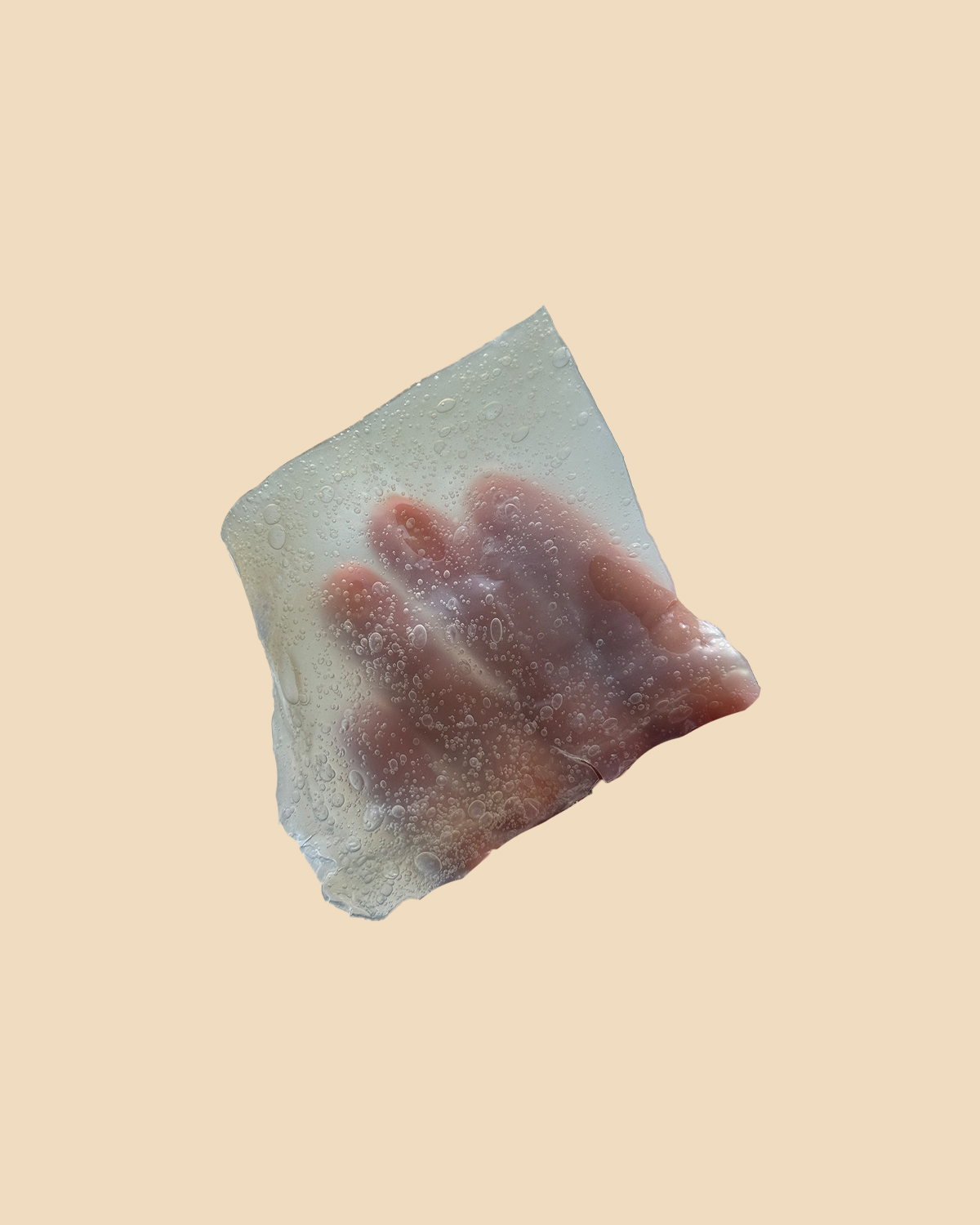
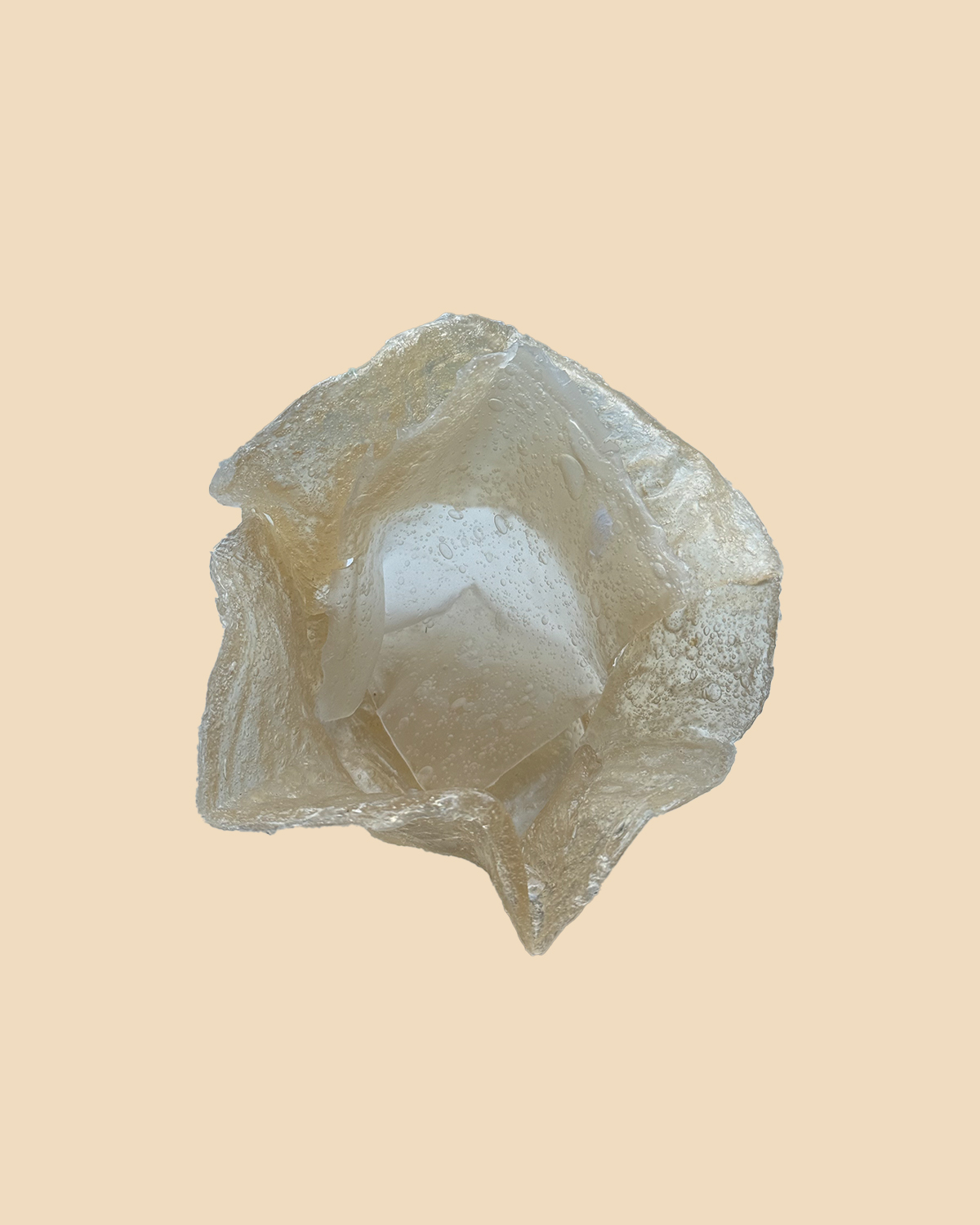
- If starch bioplastic is soaked in water, it softens and may lose shape.
- Keep indoors.